FoundationConnectionFormationIgnition
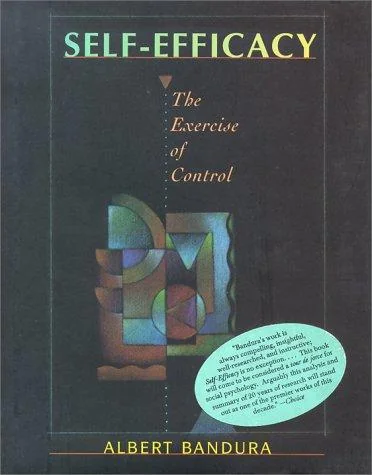
$30 to $60Self-Efficacy
Albert Bandura ·
The Exercise of Control.
Ages 13 to 18: fewer things, chosen well. Books, a good notebook, and the tools a teen would pick up on their own.
Some links below are affiliate links. If you buy through them, Family Growth Project earns a small commission at no extra cost to you. We only recommend what we would use in our own home. How we choose products
The Exercise of Control.
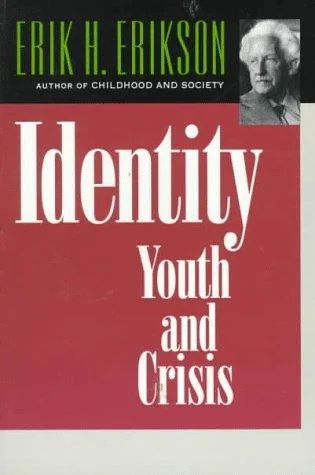
Erikson on how adolescents assemble an identity, and what adults can do to help.
The Development of Higher Psychological Processes.
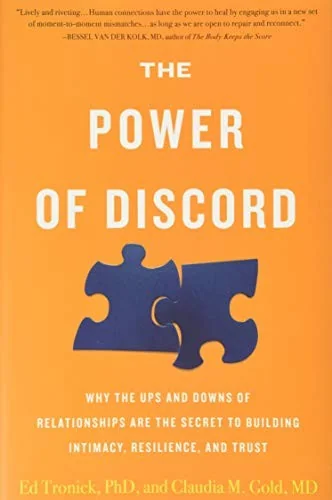
Why the Ups and Downs of Relationships Are the Secret to Building Intimacy, Resilience, and Trust.
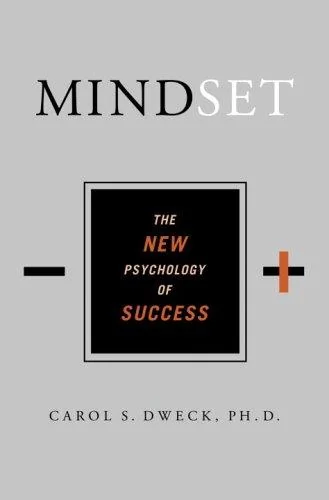
Dweck on fixed and growth mindsets, and the praise that helps or hurts.
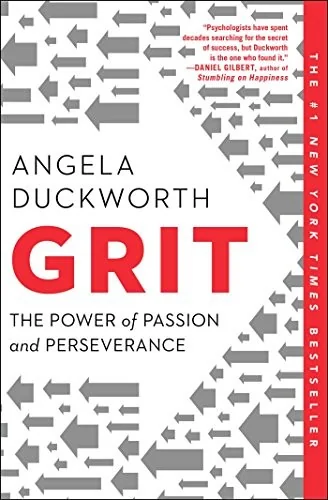
The Power of Passion and Perseverance.
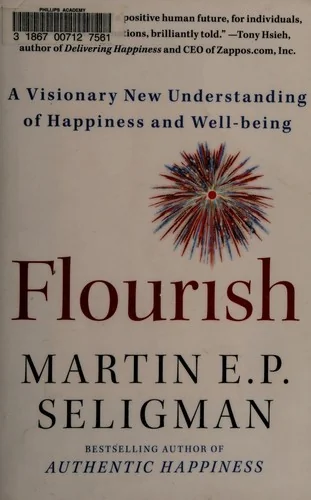
A Visionary New Understanding of Happiness and Well-being.
A 10-minute card game for 2-8 players that needs no setup and no explanation, the kind a reluctant teen will still play after dinner.
654 monochrome pieces with no image to guide you, pure shared problem-solving. A puzzle that earns its place on the table for weeks, not one afternoon.
A hardcover keepsake journal with 50+ prompts that turns ordinary family outings into something worth saving. Screen-free, reusable over months.
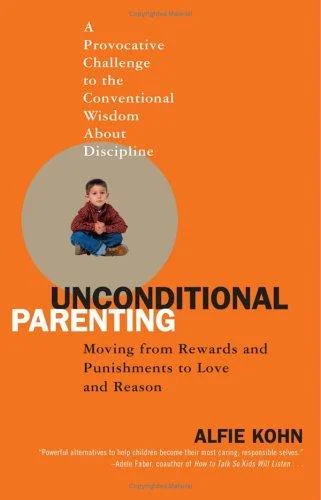
Moving from Rewards and Punishments to Love and Reason.
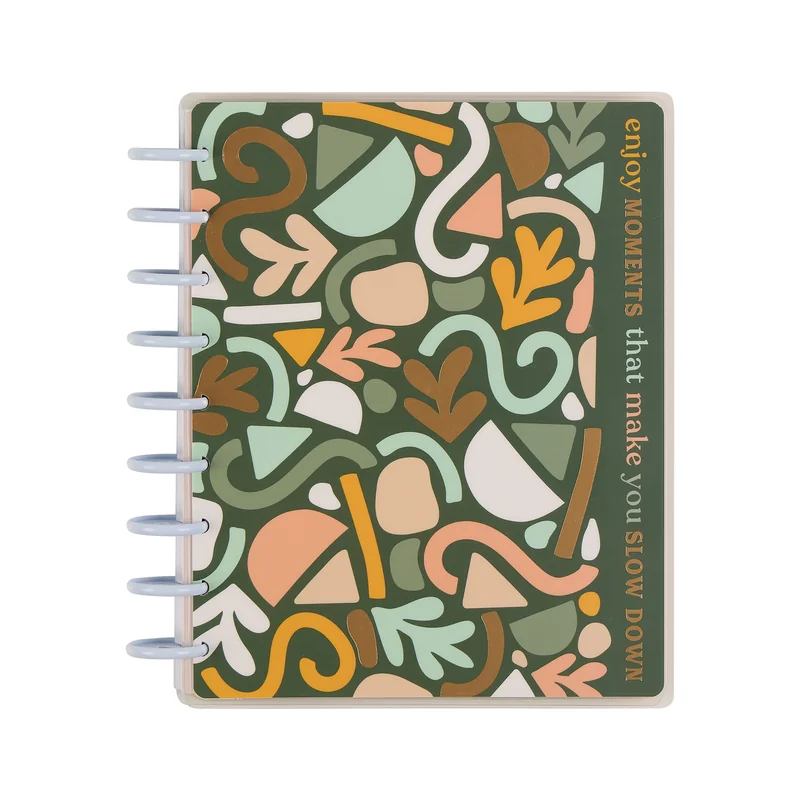
Ninety days of daily prompts for a parent: gratitude, intention, one thing to try. Heavier than a notebook, lighter than a course.
Eighty guided pages for a parent's own reflection: what you want, what you noticed, what you will try tomorrow.
Business registration and trademark help when a family venture is ready to be official.
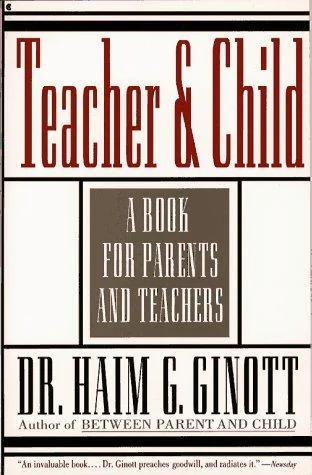
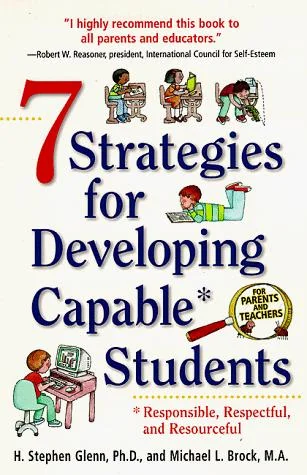
A Book for Parents and Teachers.
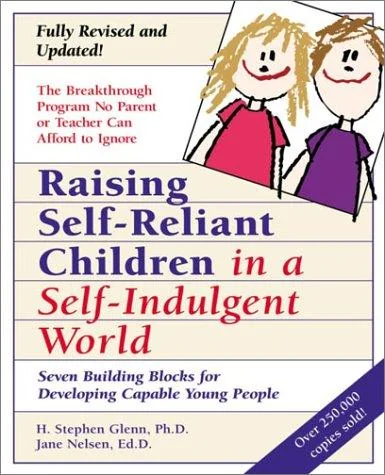
Seven Building Blocks for Developing Capable Young People.
The Significant Seven applied to classrooms: how teachers grow capable students.
An A-to-Z reference of everyday parenting problems with Positive Discipline answers for each.
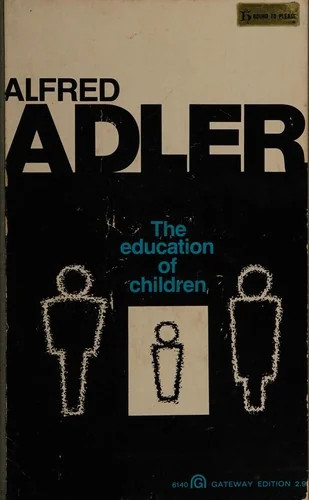
Adler on courage, encouragement, and the mistaken goals behind a child's misbehavior.
A free card reader so a young founder can take a card at a market table. Pay only per sale.
Empowering Your Teens and Yourself Through Kind and Firm Parenting.
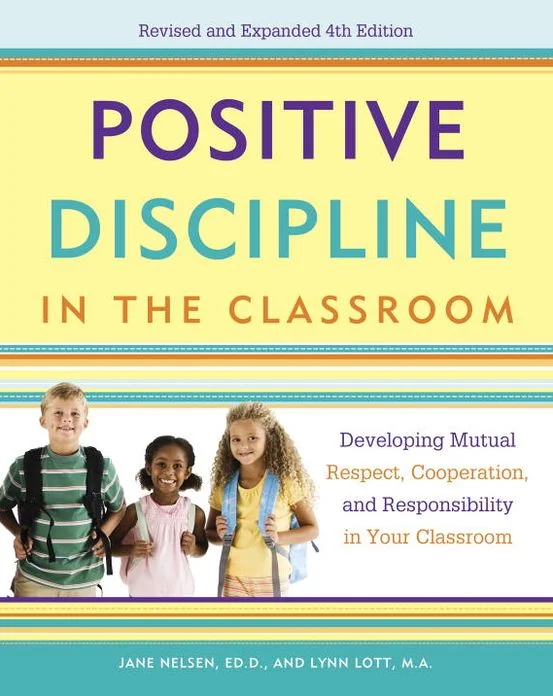
Developing Mutual Respect, Cooperation, and Responsibility in Your Classroom.
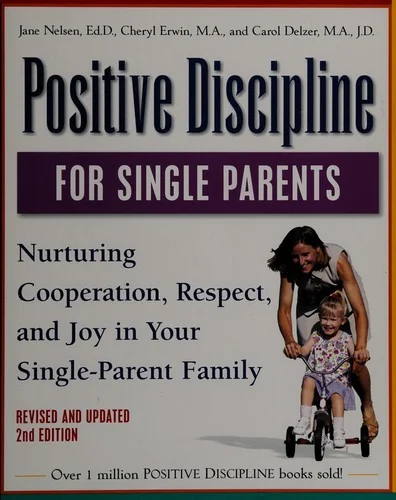
Nurturing Cooperation, Respect, and Joy in Your Single-Parent Family.
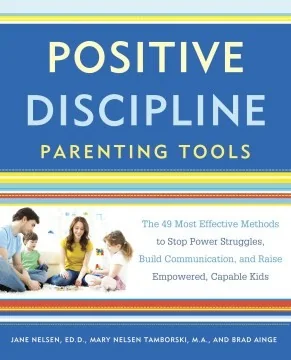
Forty-nine Positive Discipline tools, one per chapter, each with the why and the how.
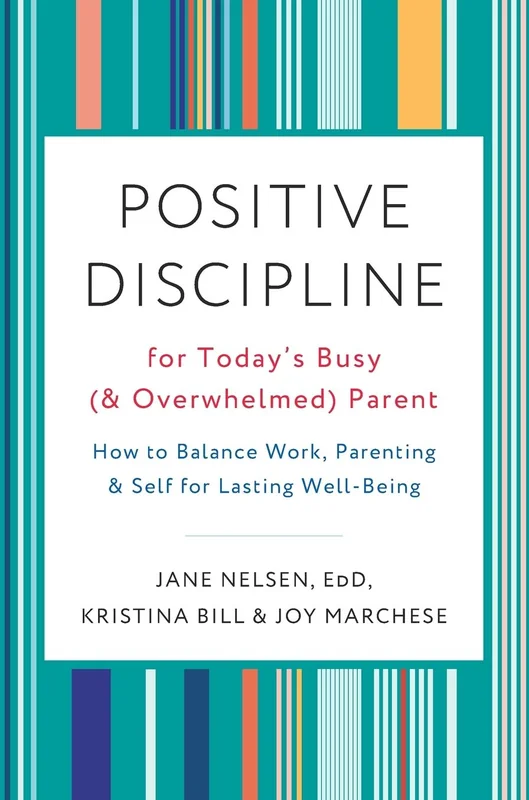
How to Balance Work, Parenting, and Self for Lasting Well-Being.
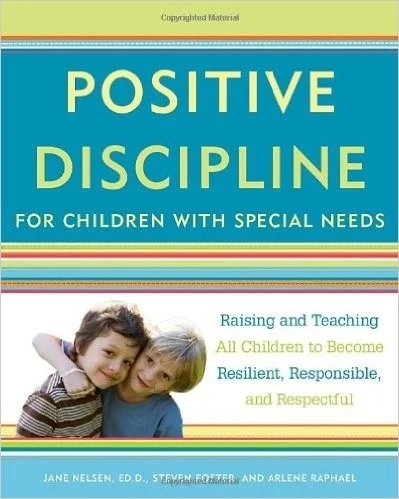
Raising and Teaching All Children to Become Resilient, Responsible, and Respectful.
The book that brought Adler into the home: encouragement, mistaken goals, and consequences that teach.
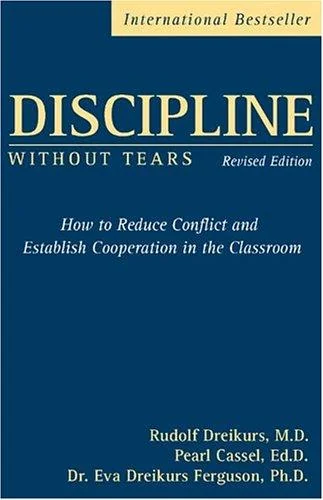
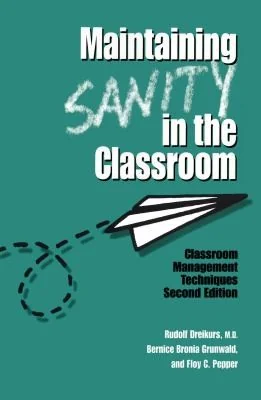
Dreikurs for teachers: the four goals of misbehavior and cooperation without punishment.
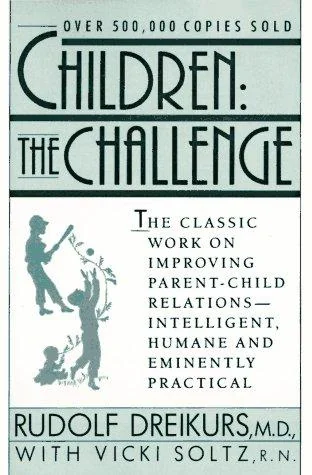
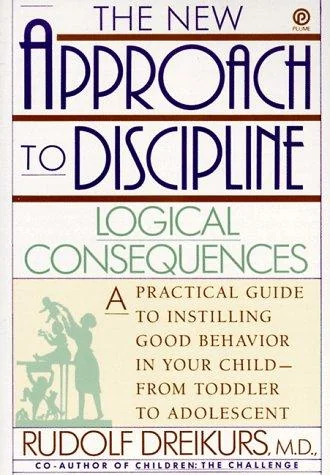
Dreikurs' original guide to raising children as equals in a democratic family.
A New Approach to Discipline.
Classroom Management Techniques.
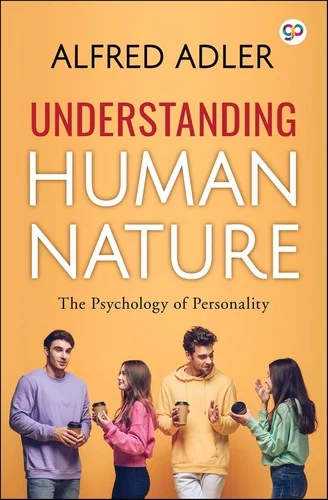
The Psychology of Personality.
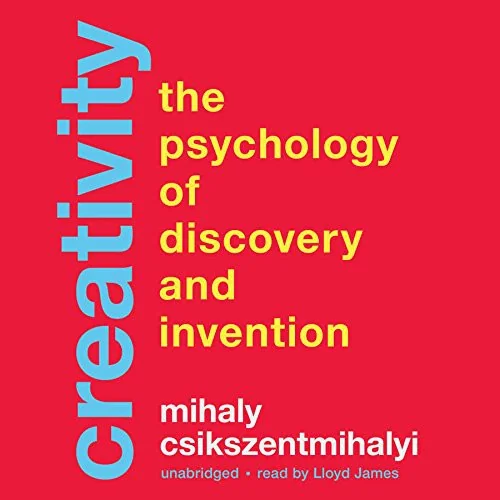
The Psychology of Discovery and Invention.
Adler's most readable statement of individual psychology and the three tasks of life.
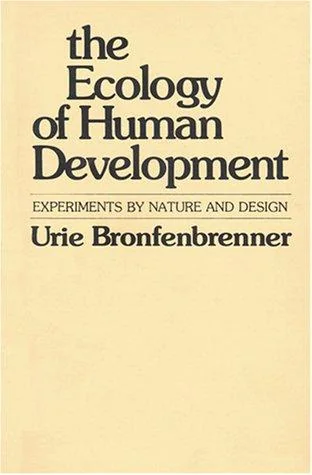
Experiments by Nature and Design.
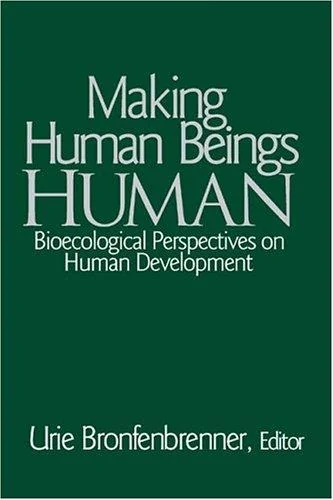
Bioecological Perspectives on Human Development.
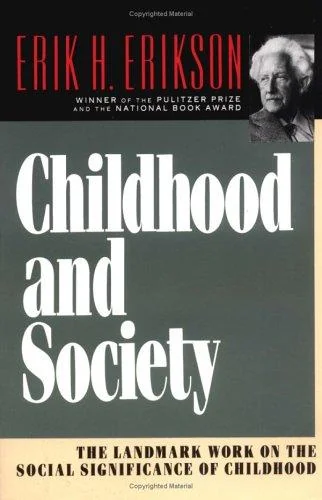
Erikson's eight stages of psychosocial development, from basic trust onward.
The essays where Erikson first laid out the life-cycle stages.
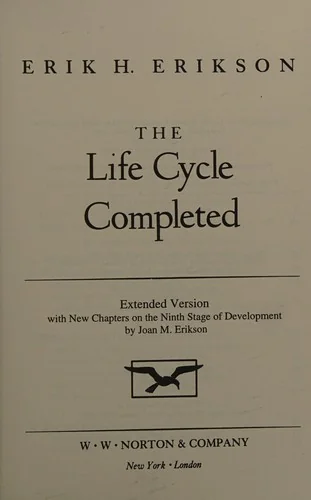
Erikson's final summary of the stages, with Joan Erikson's ninth stage.
Piaget and Inhelder's short, readable summary of how children's thinking develops.
Vygotsky on how language becomes thought.
Parent-Child Attachment and Healthy Human Development.
Lessons from the New Science of Adolescence.
Steinberg's ten principles, each backed by decades of research.
The Essential Guide for Ages 10-25.
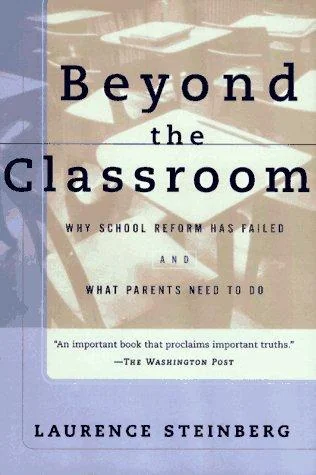
Why School Reform Has Failed and What Parents Need to Do.
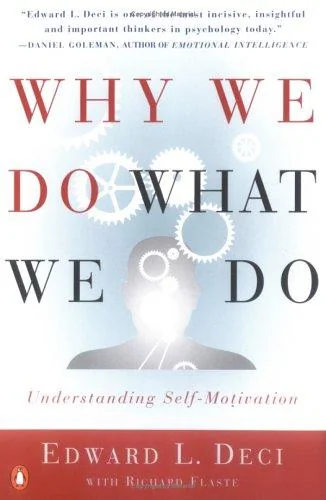
Understanding Self-Motivation.
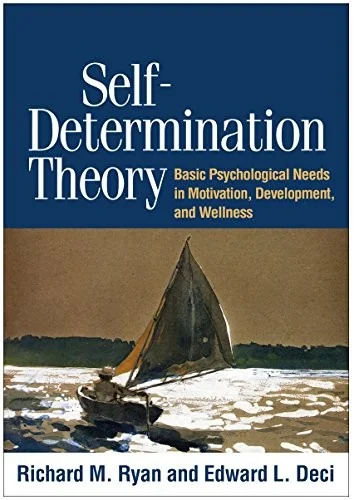
Basic Psychological Needs in Motivation, Development, and Wellness.
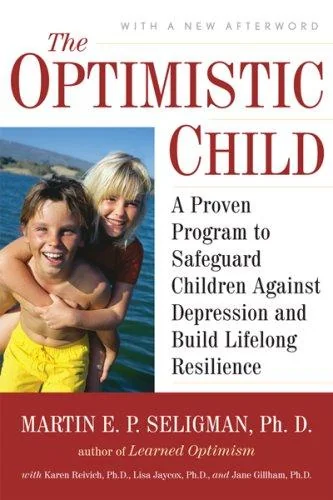
A Proven Program to Safeguard Children Against Depression and Build Lifelong Resilience.
How to Change Your Mind and Your Life.
Using the New Positive Psychology to Realize Your Potential for Lasting Fulfillment.
The Psychology of Optimal Experience.
The Psychology of Engagement with Everyday Life.
A Psychology for the Third Millennium.
The Heart of Parenting.
Resilience in Development.
How to Cultivate Courage, Curiosity, and Resilience in Your Child.
How Parental Presence Shapes Who Our Kids Become and How Their Brains Get Wired.
The Power and Purpose of the Teenage Brain.
How a Deeper Self-Understanding Can Help You Raise Children Who Thrive.
The New Science of Personal Transformation.
A New Approach for Understanding and Parenting Easily Frustrated, Chronically Inflexible Children.
Creating a Collaborative Partnership with Your Child.
Why Our Kids with Behavioral Challenges are Falling Through the Cracks and How We Can Help Them.
Helping Behaviorally Challenging Students (and, While You're At It, All the Others).
What the New Science of Child Development Tells Us About the Relationship Between Parents and Children.
Mastering Self-Control.
What Science Tells Us About Raising Successful Children.
A New Scientific Framework for Raising Thriving Teens.
The Breakthrough Study That Reveals How to Succeed at Work and Parenting.
The Trouble with Gold Stars, Incentive Plans, A's, Praise, and Other Bribes.
Coddled Kids, Helicopter Parents, and Other Phony Crises.
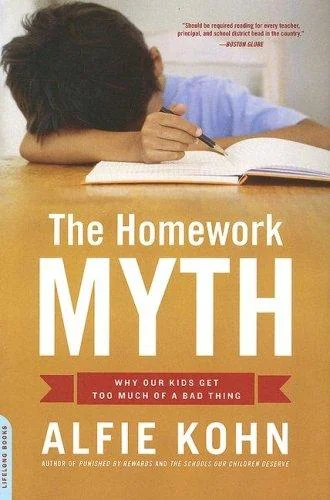
Why Our Kids Get Too Much of a Bad Thing.
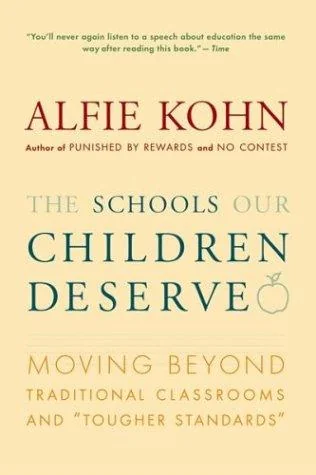
Moving Beyond Traditional Classrooms and Tougher Standards.
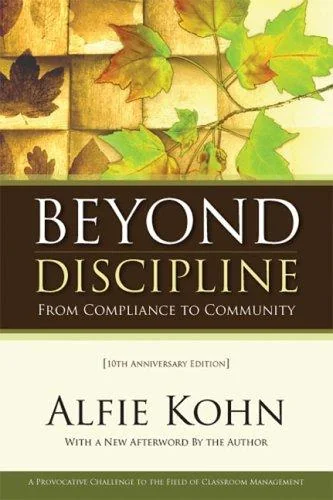
From Compliance to Community.
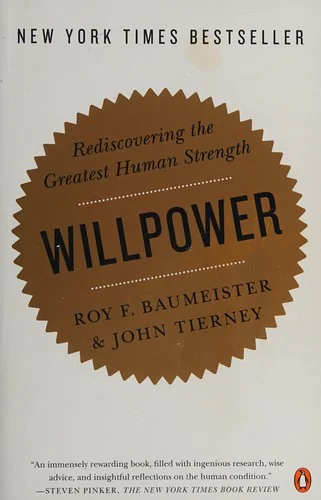
Rediscovering the Greatest Human Strength.
Protecting the Emotional Life of Boys.
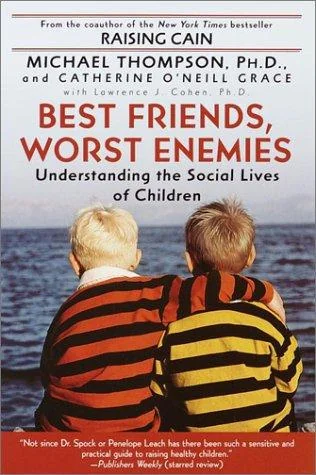
Understanding the Social Lives of Children.
Helping Your Child Find Success in School and Life.
How Time Away from Parents Can Help a Child Grow.
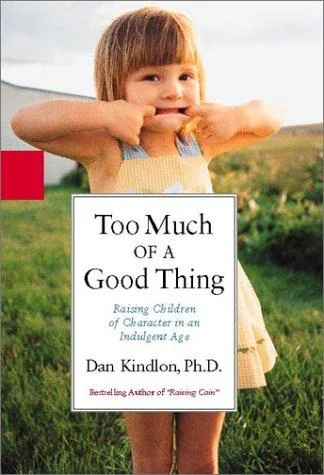
Raising Children of Character in an Indulgent Age.
Understanding the New American Girl and How She Is Changing the World.
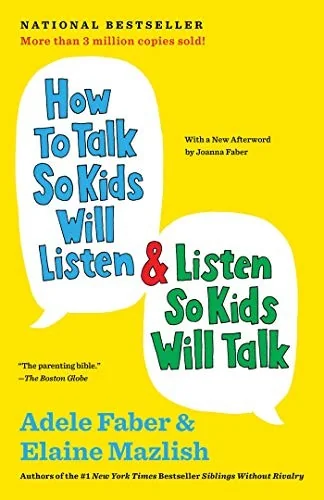
The classic Ginott-lineage scripts for acknowledging feelings and winning cooperation.
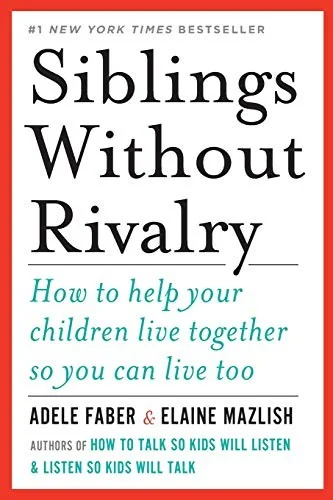
How to Help Your Children Live Together So You Can Live Too.
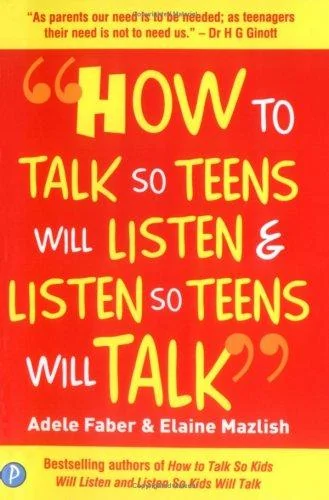
Faber and Mazlish's approach adapted for the teenage years.
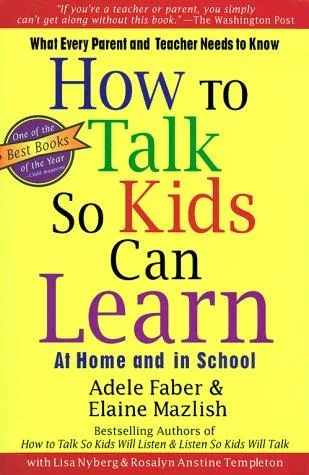
At Home and in School.
Faber and Mazlish's account of learning Ginott's approach in his parent groups.
Turning Housework into Teamwork.
Parent's Guide.
Free design tool for a first logo, business cards, and a simple flyer. The place young founders in The Parent Investor make their brand real.
A debit card and money app for kids, with parent controls. Real earnings from a real venture need a real place to go.