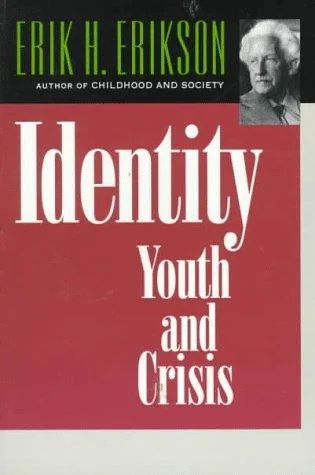
Erik Erikson laid out the architecture in 1968: identity isn't a thing children are given. It's a story they assemble, with the help of the people closest to them, by being asked good questions and being listened to when they answer.
Decades of research have filled in the detail. Robyn Fivush, Catherine Haden, and Elaine Reese's long-running work on family reminiscing conversations, summarized in a 2006 Child Development review, found that children whose parents ask open, elaborative questions about shared experiences, what surprised you, what felt hard, what did you notice, build richer and more coherent memories of their own lives, along with a clearer sense of self and a better understanding of emotions.
The mechanism is not complicated. When a child is asked a real question, they have to assemble a real answer. The act of assembling is the practice. Over time, the practice becomes the self.
For families with a child between five and nine, the implication is hopeful and lightweight: you do not have to manufacture profound conversations. You have to ask the same kinds of questions, with patience, regularly enough that your child learns this is what your family does.
A ritual beats a special occasion. Every time.