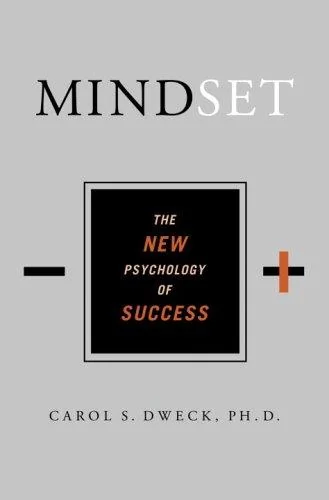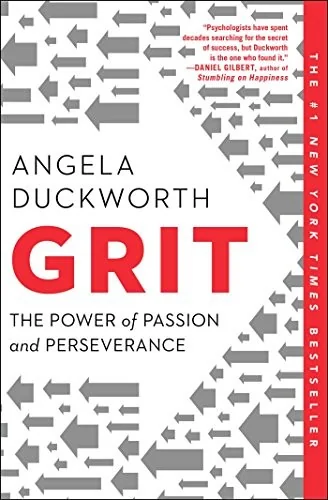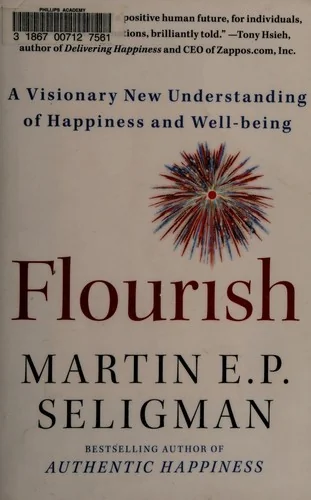
Three of the most-cited researchers in developmental psychology, Carol Dweck on growth mindset, Angela Duckworth on grit, Martin Seligman on flourishing, converge on the same uncomfortable point. The traits we most want our children to carry into adulthood are not taught. They are practiced. And they are practiced best alongside the adult who already loves them.
That convergence is the starting premise of the Parent Investor program. Nine weeks. One parent, one child, ages ten to fourteen. A short book that grounds the science, an application that paces the practice, and a printed companion that keeps the work in the room rather than on a screen.
The shape of the nine weeks is deliberate. Weeks one through three are about seeing, naming the child's strengths together, hearing what they care about, identifying a project they want to build. Weeks four through six are about building, sustained effort on something real, with the parent in the explicit role of coach rather than fixer. Weeks seven through nine are about launching, the child presents what they made, the parent reflects on what they noticed, the family closes the chapter with a small ritual.
What the program doesn't do is more important than what it does. It doesn't promise transformation. It doesn't suggest a child needs fixing. It frames nine weeks of attention as a worthwhile thing in itself.
This is what we mean when we say the implementation matters as much as the insight. A weekly experiment is sometimes the right scope. Sometimes a single insight, well-translated, deserves nine weeks of room to land.