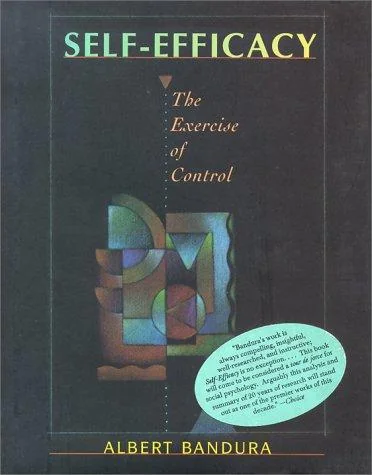
Albert Bandura spent four decades studying the same question: where does the felt belief that I can do this actually come from? His answer, repeated across thousands of studies and one foundational 1997 book, was that it doesn't come from being told. It comes from doing, and noticing that you did it.
He called these moments mastery experiences. A child who attempts something just-hard-enough, sees themselves succeed at it, and is given language for what happened builds a stockpile of self-belief that holds up under later pressure. A 2008 review of the research on where students' self-efficacy comes from, by Ellen Usher and Frank Pajares in the Review of Educational Research, backs up the ordering Bandura proposed: across the studies they examined, mastery experiences were the most consistent source of self-belief, ahead of watching others succeed or being told you can do it, and how a child interprets a success mattered as much as the success itself.
The implication for families with a ten-to-fourteen-year-old is direct. The decisions your child makes inside the family, small but real, with consequences they can feel, are quietly some of the most formative data points they'll collect about themselves.
The temptation, especially in a busy household, is to make those decisions for them. It's faster. It's tidier. It runs less risk of a wrong-feeling outcome on a Friday night.
The trade-off is invisible at the time, and significant later.