FoundationConnectionFormationIgnition
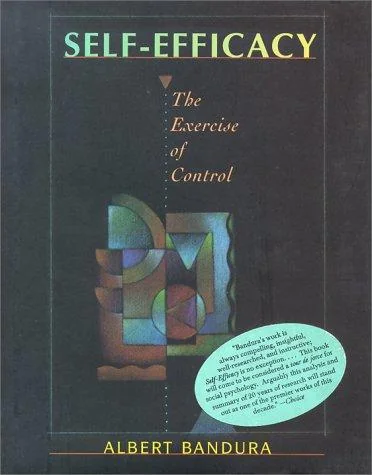
$30 to $60Self-Efficacy
Albert Bandura ·
The Exercise of Control.
A short shelf for ages 0 to 3: routines, repetition, and the few objects that earn a place in a small home.
Some links below are affiliate links. If you buy through them, Family Growth Project earns a small commission at no extra cost to you. We only recommend what we would use in our own home. How we choose products
The Exercise of Control.
A plush hammerhead with three small books that give a young child words and a routine for big feelings.
Winnicott's talks to parents on ordinary devoted care in the early years.
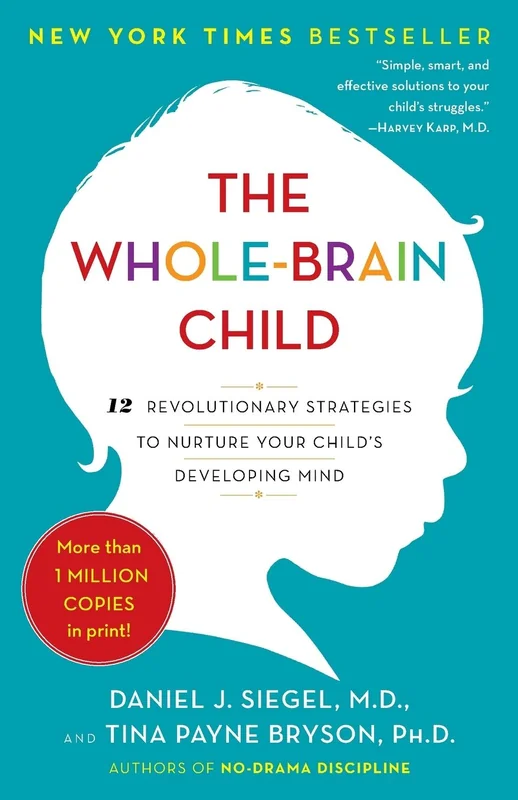
Twelve strategies built on how a child's brain actually develops. The book behind 'name it to tame it'.
The Development of Higher Psychological Processes.
Attachment and Loss, Volume 1.
Why the Ups and Downs of Relationships Are the Secret to Building Intimacy, Resilience, and Trust.
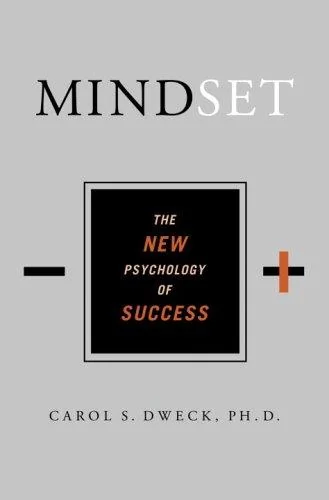
Dweck on fixed and growth mindsets, and the praise that helps or hurts.
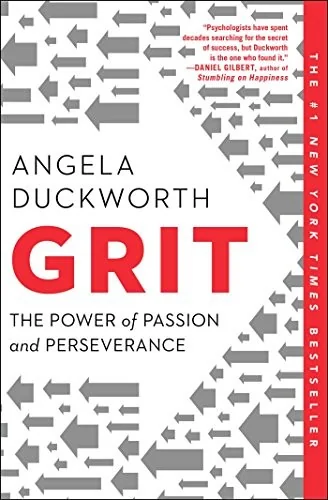
The Power of Passion and Perseverance.
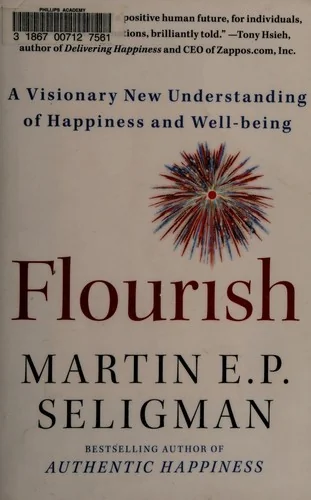
A Visionary New Understanding of Happiness and Well-being.
Practical Exercises, Worksheets and Activities to Nurture Developing Minds.
From Sleep Training to Screens, Thumb Sucking to Tummy Time, What the Science Says.
A small hardcover fill-in book for naming what you love about someone, prompt by prompt. A parent completing it about their child turns the week's observations into something the child can hold.
Moving from Rewards and Punishments to Love and Reason.
Ninety days of daily prompts for a parent: gratitude, intention, one thing to try. Heavier than a notebook, lighter than a course.
Three words, one small chimp, and a whole story about needing a hug. A board book toddlers ask for again.
Eighty guided pages for a parent's own reflection: what you want, what you noticed, what you will try tomorrow.
Ginott's classic on talking with children so they feel understood and want to cooperate.
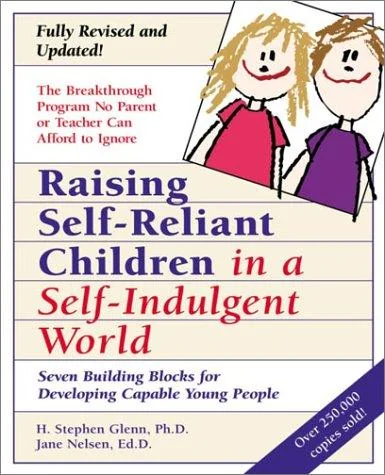
Seven Building Blocks for Developing Capable Young People.
An A-to-Z reference of everyday parenting problems with Positive Discipline answers for each.
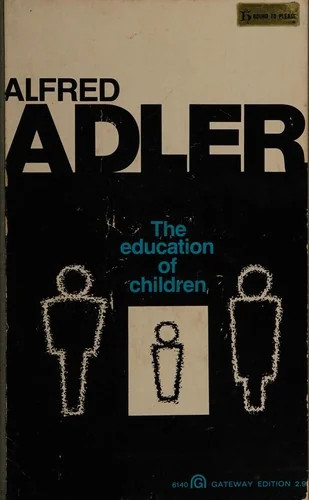
Adler on courage, encouragement, and the mistaken goals behind a child's misbehavior.
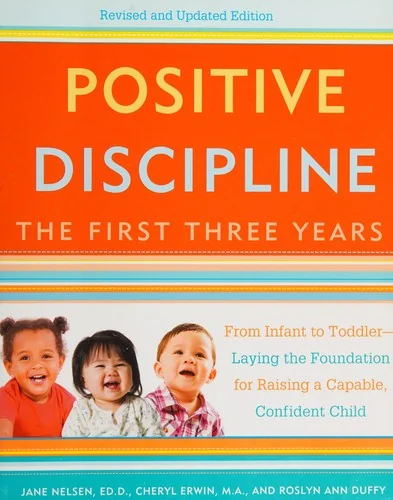
From Infant to Toddler, Laying the Foundation for Raising a Capable, Confident Child.
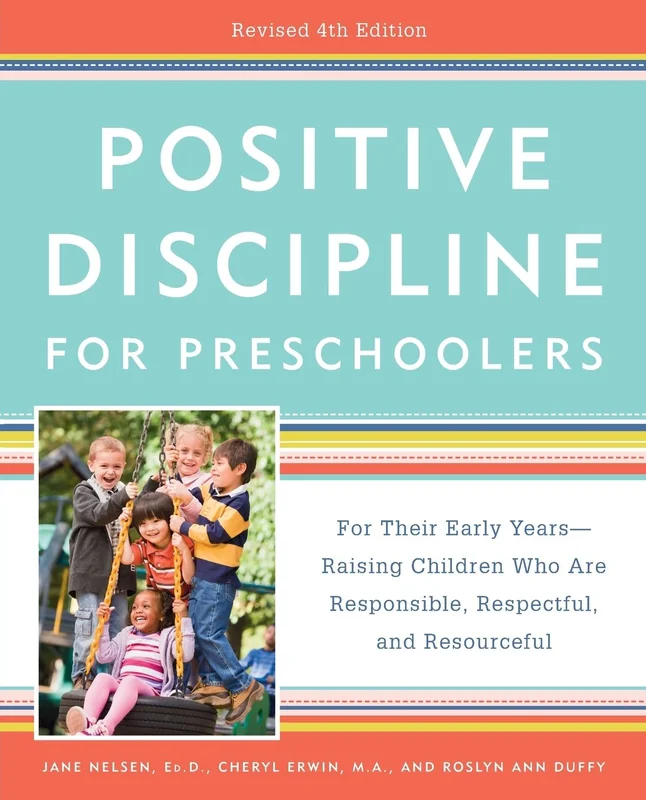
For Their Early Years, Raising Children Who Are Responsible, Respectful, and Resourceful.
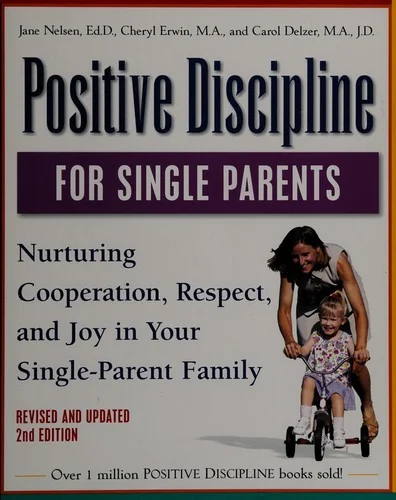
Nurturing Cooperation, Respect, and Joy in Your Single-Parent Family.
Forty-nine Positive Discipline tools, one per chapter, each with the why and the how.
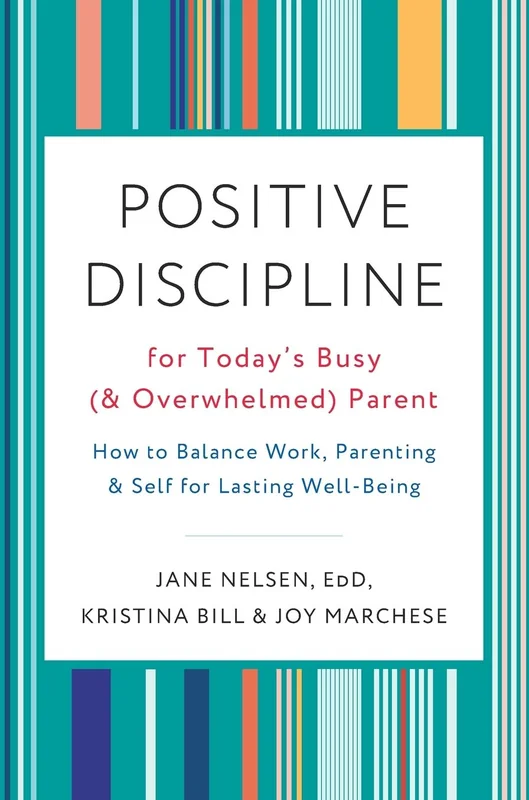
How to Balance Work, Parenting, and Self for Lasting Well-Being.
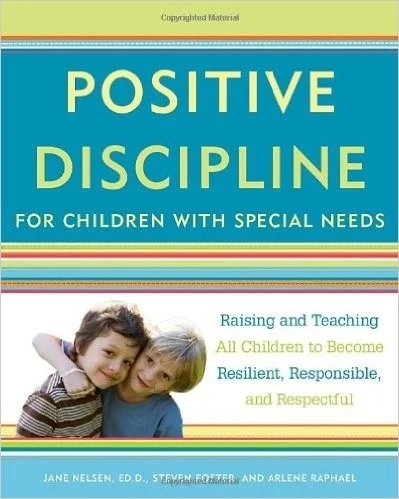
Raising and Teaching All Children to Become Resilient, Responsible, and Respectful.
The book that brought Adler into the home: encouragement, mistaken goals, and consequences that teach.
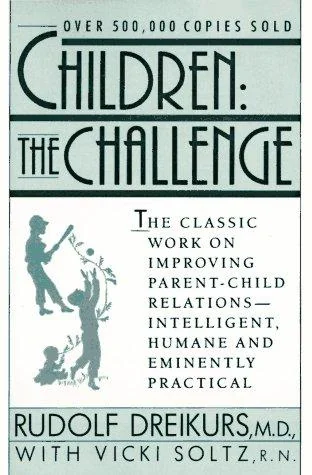
Dreikurs' original guide to raising children as equals in a democratic family.
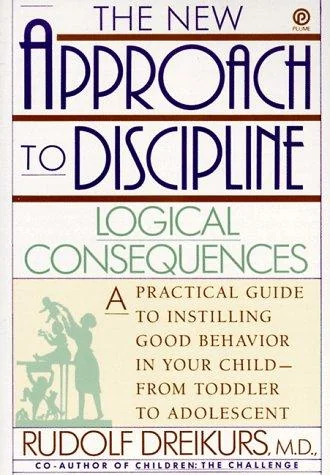
A New Approach to Discipline.
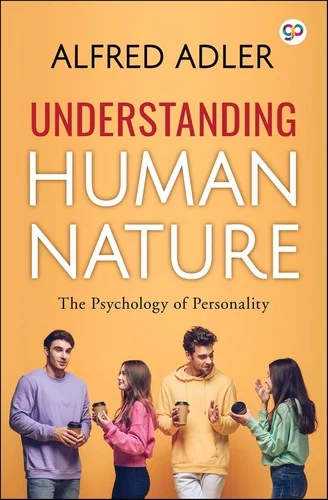
The Psychology of Personality.
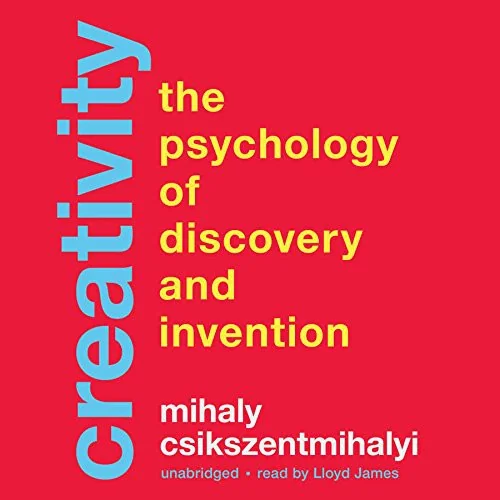
The Psychology of Discovery and Invention.
Adler's most readable statement of individual psychology and the three tasks of life.
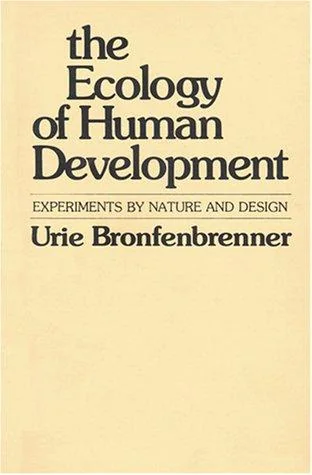
Experiments by Nature and Design.
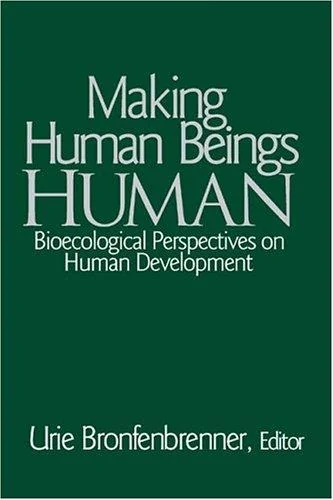
Bioecological Perspectives on Human Development.
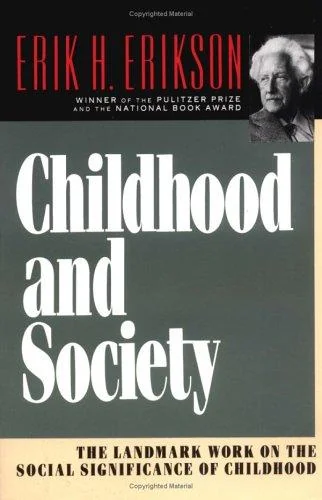
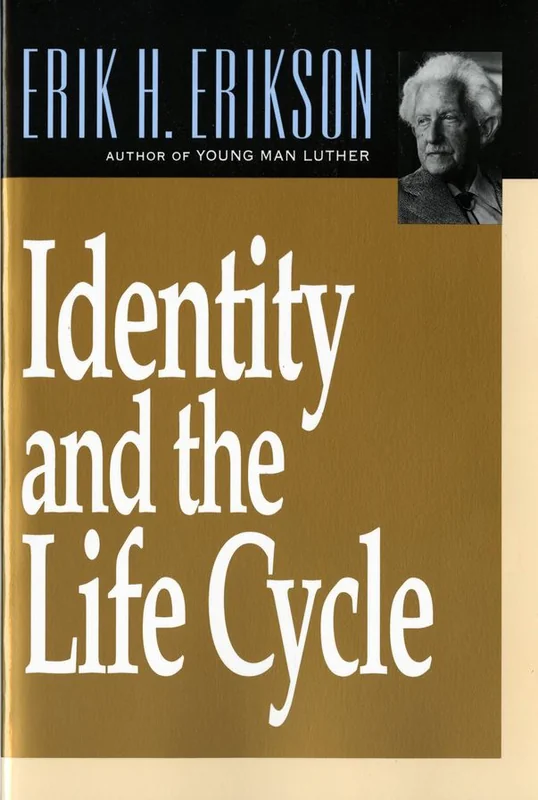
Erikson's eight stages of psychosocial development, from basic trust onward.
The essays where Erikson first laid out the life-cycle stages.
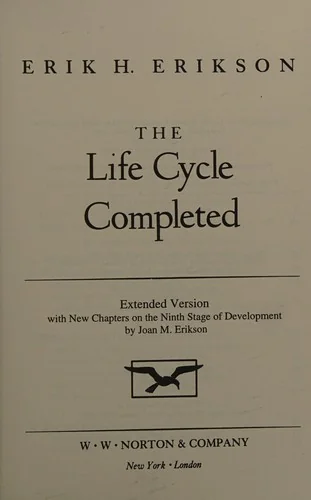
Erikson's final summary of the stages, with Joan Erikson's ninth stage.
Piaget and Inhelder's short, readable summary of how children's thinking develops.
Piaget's early study of how young children use language and reason.
Vygotsky on how language becomes thought.
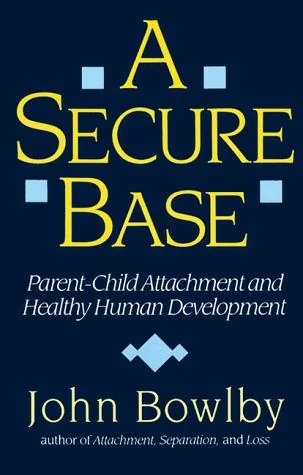
Parent-Child Attachment and Healthy Human Development.
A Psychological Study of the Strange Situation.
Winnicott on play, transitional objects, and the space where children become themselves.
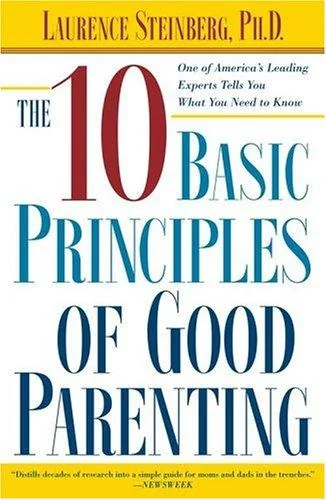
Steinberg's ten principles, each backed by decades of research.
Understanding Self-Motivation.
Basic Psychological Needs in Motivation, Development, and Wellness.
How to Change Your Mind and Your Life.
Using the New Positive Psychology to Realize Your Potential for Lasting Fulfillment.
The Psychology of Optimal Experience.
The Psychology of Engagement with Everyday Life.
A Psychology for the Third Millennium.
The Heart of Parenting.
The Six-Step Plan for Preserving Marital Intimacy and Rekindling Romance After Baby Arrives.
Resilience in Development.
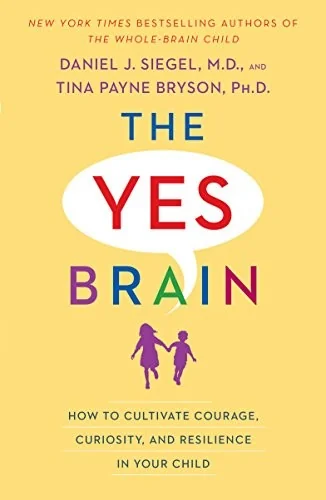
How to Cultivate Courage, Curiosity, and Resilience in Your Child.
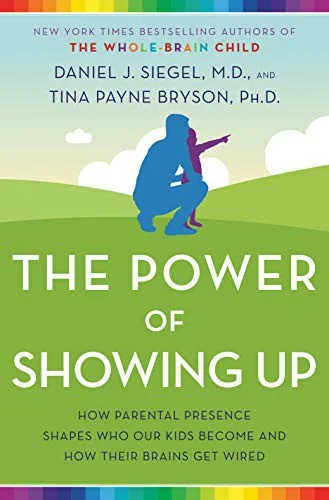
How Parental Presence Shapes Who Our Kids Become and How Their Brains Get Wired.
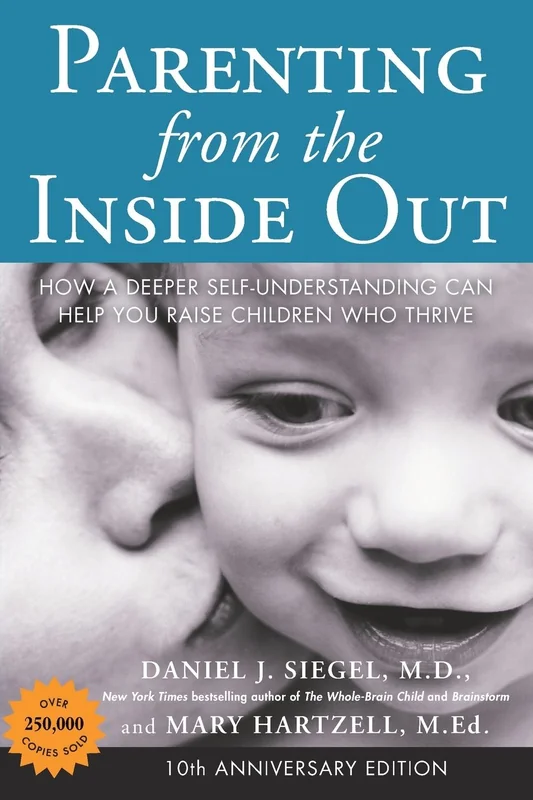
How a Deeper Self-Understanding Can Help You Raise Children Who Thrive.
The New Science of Personal Transformation.
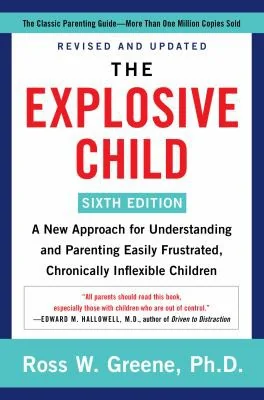
A New Approach for Understanding and Parenting Easily Frustrated, Chronically Inflexible Children.
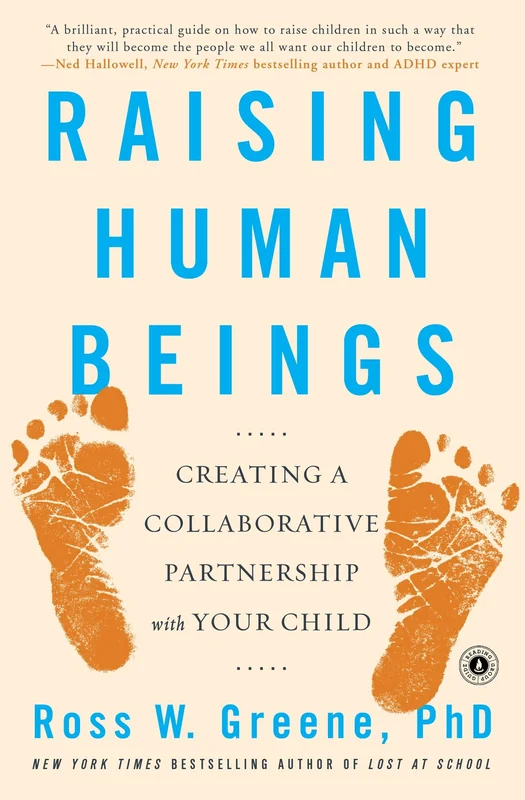
Creating a Collaborative Partnership with Your Child.
What the New Science of Child Development Tells Us About the Relationship Between Parents and Children.
What Children's Minds Tell Us About Truth, Love, and the Meaning of Life.
What Early Learning Tells Us About the Mind.
Mastering Self-Control.
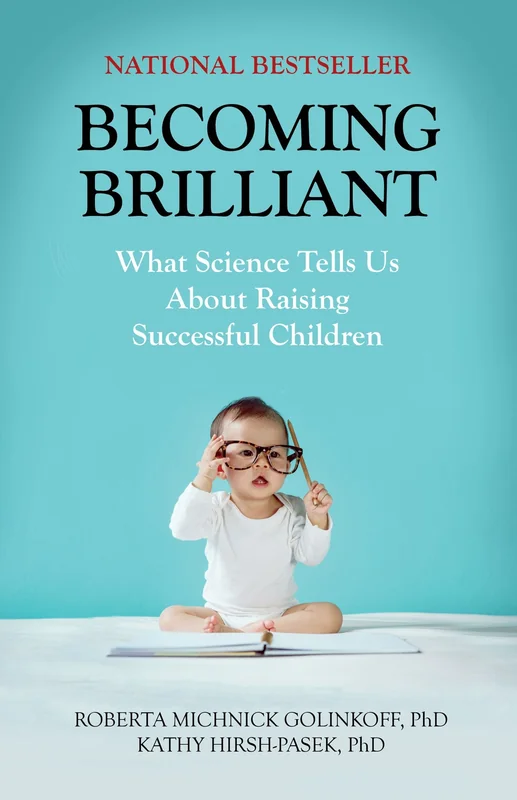
What Science Tells Us About Raising Successful Children.
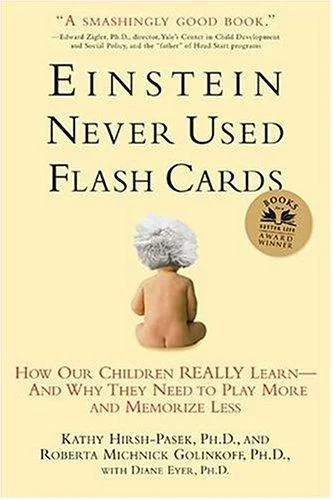
How Our Children Really Learn, and Why They Need to Play More and Memorize Less.
Applying the Scientific Evidence.
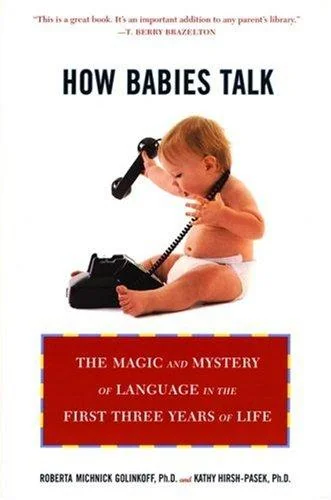
The Magic and Mystery of Language in the First Three Years of Life.
The Seven Essential Life Skills Every Child Needs.
The Breakthrough Study That Reveals How to Succeed at Work and Parenting.
The Trouble with Gold Stars, Incentive Plans, A's, Praise, and Other Bribes.
Coddled Kids, Helicopter Parents, and Other Phony Crises.
Rediscovering the Greatest Human Strength.
Protecting the Emotional Life of Boys.
Understanding the Social Lives of Children.
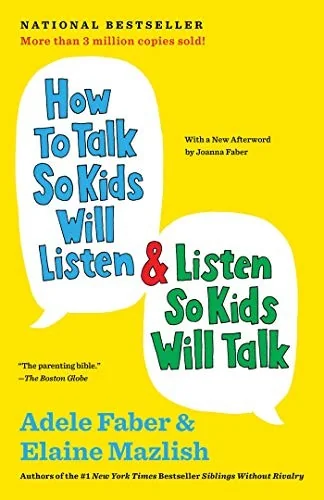
The classic Ginott-lineage scripts for acknowledging feelings and winning cooperation.
How to Help Your Children Live Together So You Can Live Too.
Faber and Mazlish's account of learning Ginott's approach in his parent groups.
Turning Housework into Teamwork.
Parent's Guide.
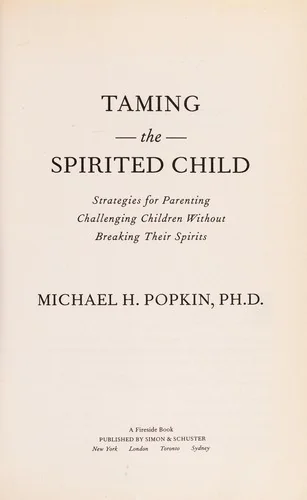
Strategies for Parenting Challenging Children Without Breaking Their Spirits.